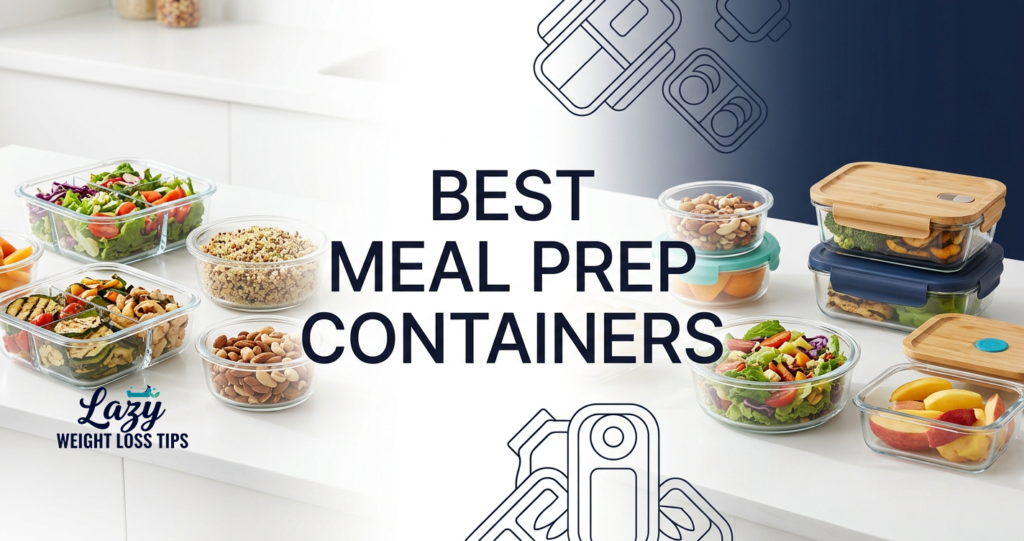
If you want to know how to choose the best meal prep containers, here is a stat that changes the whole conversation: glass meal prep containers last 5 to 10 times longer than plastic alternatives. That one fact alone can save you money, reduce waste, and keep your food safer every single week. And if you are someone focused on weight loss for men and women over 30s, following keto, or just trying to find smarter ways to stick to popular diets, the right container is honestly one of the most underrated tools in your kitchen.
Key Takeaways
| Question | Quick Answer |
|---|---|
| What is the best material for meal prep containers? | Glass is the top pick for durability, safety, and longevity. BPA-free plastic works if you need lightweight options. |
| How many containers do I actually need? | Most people need 5 to 10 containers to cover a full week of batch-prepped meals. |
| Do I need compartment containers? | Yes, if you follow a structured diet like keto or portion-controlled eating. They keep foods separate and make portioning effortless. |
| Are leak-proof lids really necessary? | Absolutely. Leak-proof lids protect your bag, your car, and your motivation to keep prepping. |
| What size containers should I buy? | A mix of 1-cup, 2-cup, and 4-cup sizes covers snacks, sides, and full meals. |
| Can I use meal prep containers in the microwave? | Glass and microwave-safe BPA-free plastic work. Always check the label before heating. |
| How do containers help with weight loss? | Pre-portioned, visible meals reduce guesswork, limit overeating, and make healthy choices the default. Learn more in our effortless meal prep guide. |
1. Why Choosing the Best Meal Prep Containers Actually Matters for Weight Loss
Most people spend hours researching the perfect diet but grab whatever containers are on sale at the grocery store. That is a mistake.
The right container directly affects how long your food stays fresh, how easy it is to grab a healthy option instead of ordering takeout, and how motivated you feel to keep up your meal prep habit. Bad containers leak, warp, absorb smells, and make your fridge look like a chaos zone.
Good containers, on the other hand, turn batch cooking into a system. They keep your portions controlled, your food visible, and your week on track. This matters especially if you are working on losing weight without cooking every single day, because the whole system only works if your prepped food stays fresh and ready to grab.
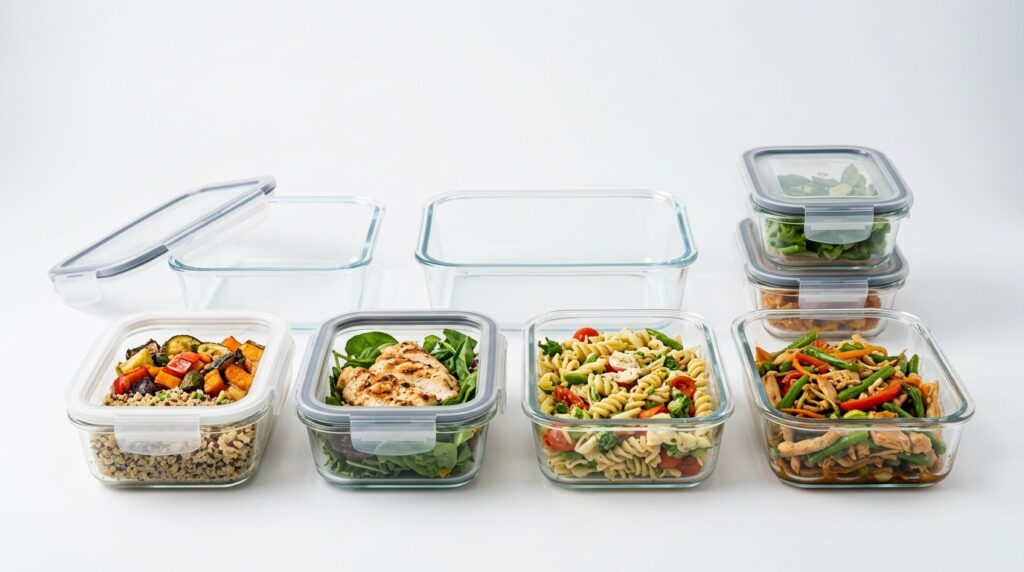
2. How to Choose the Best Meal Prep Containers: Material Options Explained
Material is the first decision you need to make. Get this right, and everything else gets easier.
Here are the main options in 2026:
- Glass: Durable, non-toxic, microwave-safe, dishwasher-safe, and does not absorb smells or stains. Heavier to carry but lasts years.
- BPA-free plastic: Lightweight and budget-friendly. Best for snacks and dry foods. Some types are microwave-safe, but always check the label.
- Stainless steel: Nearly indestructible and great for cold foods. Not microwave-safe, but excellent for packed lunches.
- Silicone: Flexible, collapsible, and great for freezing. Good for smaller portions and snacks.
For most people who are serious about meal prep and portion control, glass is the smart pick. It is the lazy choice that pays off over time, because you buy once and you are done.
3. The Best Container Sizes for Meal Prep and Portion Control
Size matters more than most people think. Buy all large containers and you will struggle with portioning. Buy all small ones and you will not fit a full meal.
Here is a simple size guide to follow:
| Container Size | Best For | Recommended Quantity |
|---|---|---|
| 1 cup (250ml) | Snacks, dips, sauces | 4 to 6 |
| 2 cups (500ml) | Breakfast, side dishes | 4 to 6 |
| 3 to 4 cups (750ml to 1L) | Full lunches and dinners | 5 to 8 |
| 6+ cups (1.5L+) | Batch storage, soups, salads | 2 to 4 |
If you prep your breakfasts the night before, like overnight oats or Greek yogurt parfaits (two of the laziest and most effective weight loss breakfasts around), you will want at least 5 to 7 smaller containers on rotation. Check out these lazy breakfast ideas for weight loss to see exactly which containers work best for each option.
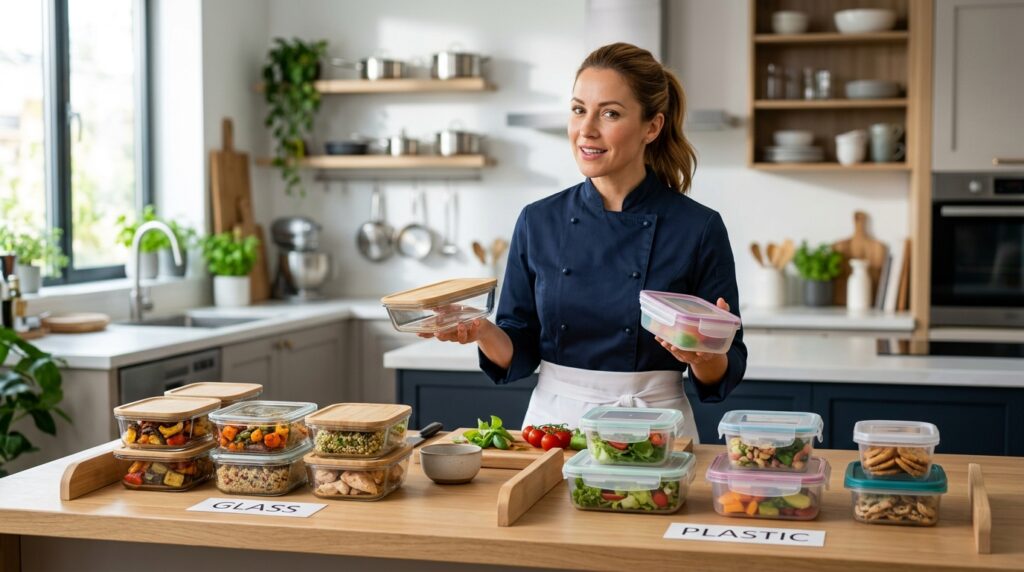
4. How to Choose the Best Meal Prep Containers for Keto and Popular Diets for Weight Loss for Men and Women Over 30
If you are following keto or other popular diets, your container needs are a bit more specific. Weight loss for men and women over 30s often involves structured eating, and that means portion control and food separation matter a lot more.
Here is what to look for based on your diet approach:
- Keto diet: You need containers that hold high-fat foods like avocado, cheese, and cooked meats without absorbing smells. Glass wins here. Look for wide-mouth containers so you can easily access dense foods.
- Low-calorie / calorie-counting diets: Compartment containers with clear lids help you see and track exactly how much of each food you are eating per meal.
- Intermittent fasting: Smaller containers for your eating window meals, and larger ones for batch-prepped foods you store for the week.
- Mediterranean or whole-food diets: Mixed-size sets work well here. You will store grains, proteins, and veggies separately and combine them at meal time.
Popular diets tips and strategies in 2026 all point to one common thread: consistency beats perfection. Having the right containers means your healthy meal is already waiting for you, and that removes the decision fatigue that kills most diet plans. If you want help understanding what approach fits your body best, our 2026 Metabolic Age and BMR Calculator is a smart starting point.
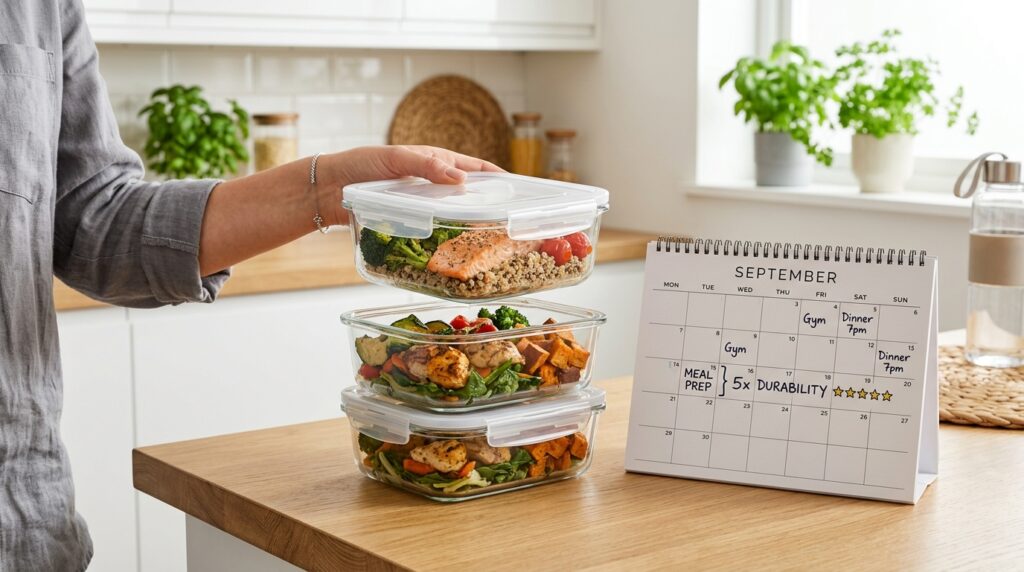
This infographic highlights the five factors to consider when choosing meal prep containers. Use these tips to pick durable, leak-proof, and freezer-safe options.
5. Leak-Proof Lids: Why They Make or Break Your Meal Prep Game
A leak-proof lid is not a bonus feature. It is a baseline requirement.
Nothing kills the motivation to meal prep faster than opening your bag and finding soup all over your laptop. A good lid creates an airtight seal that keeps liquid in, keeps air out, and keeps your food fresh for days longer than a poorly sealed container.
Here is what to look for in a lid:
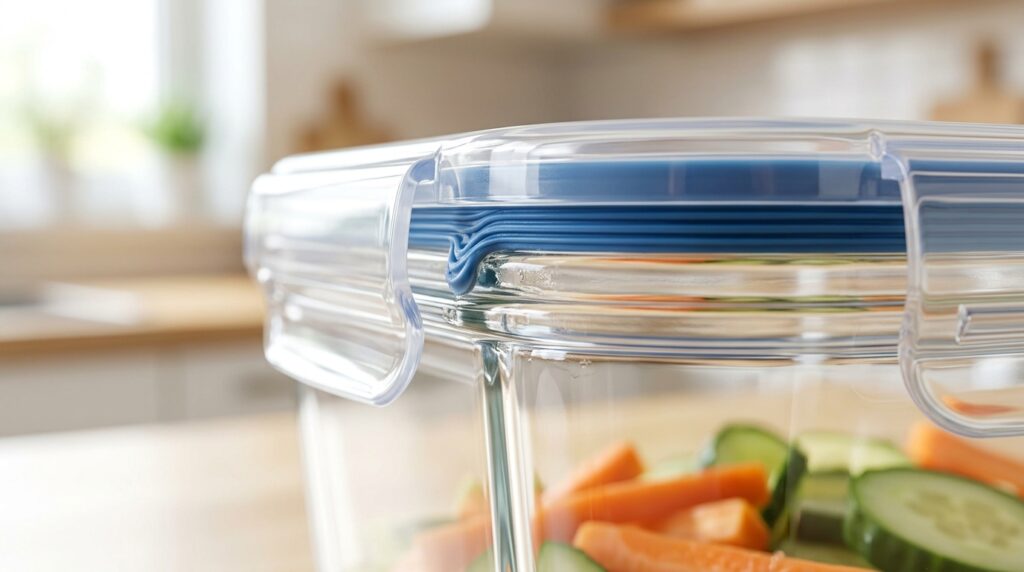
- Silicone gasket seal: The rubber ring around the inside of the lid is what creates the airtight lock. Check that it is removable for cleaning.
- Locking clips: Four-sided locking clips provide a stronger seal than a simple snap-on lid.
- Vent tabs: If you microwave your meals, a vent tab lets steam escape without removing the lid completely. Super useful.
- Stackability: Flat lids that stack neatly save a huge amount of fridge space. Look for containers that nest inside each other when empty.
A leaky lid also means your food dries out faster, loses flavor, and is way less enjoyable by day 3 of the week. If you want to actually eat your prepped food rather than throw it away, seal quality is one of the most important factors when choosing meal prep containers.
6. Glass vs. Plastic Meal Prep Containers: The Full Breakdown
This is the debate everyone in the meal prep world is having in 2026. Both have a place, but they are not equal.
Here is a side-by-side comparison:
| Factor | Glass | BPA-Free Plastic |
|---|---|---|
| Lifespan | Up to 10 years | 6 to 12 months |
| Microwave safe | Yes | Sometimes (check label) |
| Dishwasher safe | Yes | Yes (top rack only) |
| Absorbs smells | No | Yes, over time |
| Weight | Heavier | Lightweight |
| Cost over time | Lower (buy once) | Higher (replace often) |
| Chemical risk | None | Low with BPA-free labels |
Our take: glass is the lazy long-game winner. You pay a bit more upfront and carry a bit more weight, but you never deal with warped containers, mystery stains, or replacing your set every year. Plastic works for dry foods, snacks, or when you genuinely need to travel light.
7. How to Choose the Best Meal Prep Containers for Freezer and Microwave Use
Choosing meal prep containers that go from freezer to microwave is the ultimate convenience upgrade. Not all containers can handle both.
Look for these labels before you buy:
- “Freezer safe”: This means the container will not crack or warp at low temperatures. Glass containers with straight sides (not tapered) freeze better because food expands as it freezes.
- “Microwave safe”: This label means the material will not leach chemicals when heated. Glass is always safe. Plastic requires the specific microwave-safe stamp.
- “Oven safe”: Some glass containers go from freezer to oven, which is a next-level lazy upgrade. You prep on Sunday, freeze, and reheat directly in the container with zero extra dishes.
One practical tip: leave at least an inch of space at the top when filling freezer containers. Liquids and soups expand when frozen, and a too-full container will push the lid off or crack the glass.
“The best meal prep system is the one that requires the least thinking on a Wednesday night. Freezer-to-microwave containers are the ultimate lazy hack.”
8. Compartment Containers vs. Single-Compartment: What the Science of Eating Says
Compartment containers are not just for looks. They serve a real function in portion control and diet adherence.
Research consistently shows that visual portion cues reduce how much people eat without them having to count anything. When your meal is pre-divided into sections, you eat what is there and stop. That is exactly how the lazy approach to weight loss works, and it applies across popular diets and strategies whether you are doing keto, low-calorie, or simply eating more whole foods.
Here is when each style works best:
- Compartment containers (2 to 3 dividers): Best for structured eating plans, weight loss for men and women over 30s, keto macros, or anyone who wants protein, carbs, and veggies kept separate until eating.
- Single-compartment containers: Best for soups, stews, casseroles, salads with dressing on the side, and overnight oats. Also easier to clean.
Our recommendation: keep both styles in your collection. Use compartment containers for your main weekday meals and single containers for batch-stored foods.
9. How Many Meal Prep Containers Do You Actually Need?
This is one of the most practical questions we get, and the answer depends on how many days ahead you prep.
Here is a simple starting formula:
- Meals per day you are prepping x number of days = minimum containers needed
For most people doing a basic 5-day meal prep (lunch and dinner), that is 10 containers at minimum. Add breakfast prep and snacks, and you are looking at 15 to 20 containers total across different sizes.
That sounds like a lot, but remember: glass containers stack neatly in the fridge, they are clear so you can see everything at a glance, and you are not hunting around for lids because they are all the same shape.
Start with a 10-piece set in mixed sizes. See how your batch prep week feels with that, and add more if you find yourself running short by Thursday. Do not over-buy upfront. The lazy approach is to start small and scale only when you have proven the system works for you. You can take our Weight Loss Procrastination Assessment to figure out where you are getting stuck in your routine, which can help you decide how ambitious your prep system should be from day one.
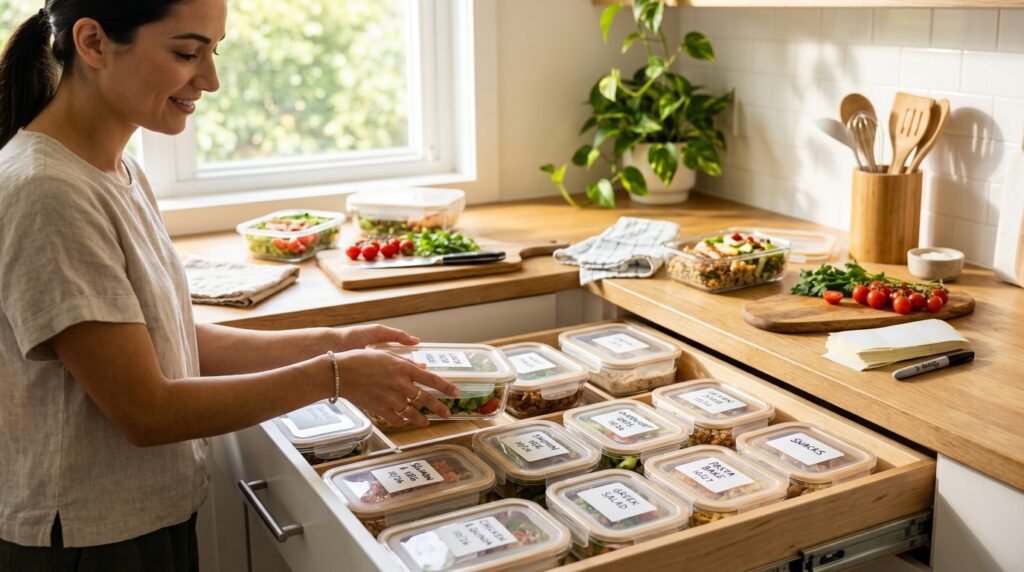
10. The Lazy Checklist: How to Choose the Best Meal Prep Containers Before You Buy
Before you add any set to your cart, run through this checklist. It takes about 60 seconds and will save you from buying something you regret.
- Material: Is it glass or BPA-free plastic? Does it match your cooking habits (microwave use, oven, freezer)?
- Lid quality: Does it have a silicone gasket? Locking clips? A steam vent for microwaving?
- Size variety: Does the set include small, medium, and large options, or is it all one size?
- Compartments: Does it include divided options if you follow a structured eating plan?
- Stackability: Will these fit neatly in your fridge without a game of Tetris every Sunday?
- Dishwasher safe: If you are not hand-washing containers, confirm every piece is dishwasher safe.
- Clear design: Can you see the food inside without opening the container? Clear containers mean you actually eat what you prepped.
If a container set checks all seven boxes, it is a solid pick. If it misses more than two, skip it and keep looking.
For more support on building a meal prep habit that actually sticks, our effortless meal prep resources walk you through everything from what to cook to how to store it, all with the minimum possible effort required.
Conclusion: Choose the Best Meal Prep Containers Once, and Make Healthy Eating Effortless
Knowing how to choose the best meal prep containers is not complicated. It really comes down to five things: material, lid quality, size variety, freezer and microwave compatibility, and clear design so you can actually see your food.
Glass is the smart, long-term choice for most people. Compartment containers are the lazy hack for portion control. And having the right number of containers in the right sizes means your meal prep system runs on autopilot from Sunday through Friday.
Whether you are working on weight loss for men and women over 30s, sticking to a keto plan, or just trying one of the many popular diets tips and strategies floating around in 2026, your containers are the quiet backbone of the whole system. Get them right, and the rest gets a lot easier.
We are not here for perfection. We are here for a system that works with minimal effort and maximum results. The right containers are step one of that system.
Ready to go deeper? Explore our full longevity lifestyle guides to pair your meal prep habits with other smart, low-effort strategies for long-term health.