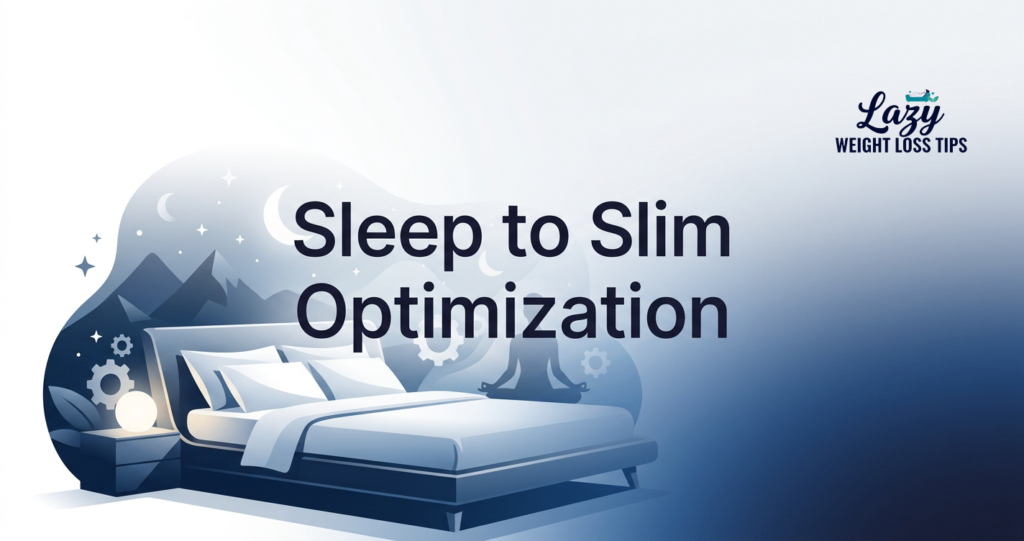
Here’s something that might change how you think about losing weight forever: Sleep-to-Slim Sleep Optimization is the laziest weight loss strategy you have never tried, built on the idea that improving the quality and length of your sleep is one of the most powerful things you can do for your waistline. In fact, research shows that adding just 1.2 hours of extra sleep per night can reduce your daily calorie intake by an average of 270 calories, and you don’t even have to think about it.

Key Takeaways
| Question | Answer |
|---|---|
| What is Sleep-to-Slim Sleep Optimization? | It is the practice of improving your sleep quality, timing, and duration to support easier, more natural weight loss. |
| Does sleep really affect weight? | Yes. Poor sleep raises hunger hormones, lowers your energy, and makes your body store more fat, especially around the belly. |
| How many hours of sleep do you need to lose weight? | Most adults need 7 to 9 hours per night. Sleeping less than 7 hours is linked to a higher chance of weight gain. |
| Can sleep help with weight loss for men and women over 30? | Absolutely. Hormones shift a lot after 30, and sleep is one of the best tools to keep hunger hormones balanced at any age. |
| Is Sleep-to-Slim Optimization better than dieting? | It works best alongside a sensible eating plan. Better sleep makes any healthy eating approach, including the keto diet, work better. |
| How fast can you see results from sleep optimization? | Some people notice less hunger and more energy within a week of improving their sleep habits. |
| Is there a program for Sleep-to-Slim optimization? | Yes. Check out this sleep and weight loss program designed to help you use sleep smarter for real results. |
What Is Sleep-to-Slim Sleep Optimization? (And Why It Actually Works)
Sleep-to-Slim Sleep Optimization is not a crash diet. It is not a brutal workout plan.
It is the simple, science-backed idea that when you sleep better, your body naturally does a better job of managing weight. You eat less without trying, your hormones behave better, and your body burns energy more efficiently.
Think of sleep as the behind-the-scenes manager running all your body’s systems overnight. When that manager gets enough rest, everything runs smoothly. When they don’t, things go sideways fast, including your appetite, your cravings, and how your body stores fat.
For anyone exploring weight loss for men and women over 30s, whether you’re trying popular diets, following tips and strategies you found online, or even experimenting with the keto diet, sleep is the foundation that makes all of those efforts actually pay off.
How Poor Sleep Quietly Packs on the Pounds
Let’s be honest. Most people don’t connect their late-night scrolling habit to the scale creeping up. But the link is very real.
When you don’t sleep enough, your body produces more of a hormone called ghrelin, which is your hunger signal, and less of one called leptin, which tells you when you’re full.
The result? You feel hungrier than usual, you reach for high-calorie foods, and you feel too tired to care about making better choices. It’s a sneaky cycle that has nothing to do with willpower.
- Ghrelin goes up: You feel hungrier, especially for sugary and fatty foods
- Leptin goes down: Your “I’m full” signal stops working properly
- Cortisol rises: Your stress hormone spikes, which tells your body to store fat
- Insulin resistance creeps in: Your body gets worse at processing carbohydrates
- Energy drops: You move less, burn fewer calories, and reach for quick energy fixes
This is why Sleep-to-Slim Sleep Optimization focuses on fixing the root cause, not just the symptoms.
The Hormones Behind Sleep-to-Slim Sleep Optimization
Your hormones are basically the control panel for your body. And sleep is what keeps that control panel running right.
When you consistently get good quality rest, your hunger hormones stay balanced. Your body produces more growth hormone during deep sleep, which helps your muscles recover and encourages fat burning while you rest.
Here’s the unsexy truth: no diet or exercise plan will work as well as it should if your hormones are fighting against you every single day because of poor sleep.
Did You Know?
For every hour of sleep lost each night, the risk of becoming obese increases by 9%.
Source: pritikin.com
Those numbers add up fast. A few late nights a week could be quietly pushing your body in the wrong direction, even if everything else in your routine looks solid.
Sleep-to-Slim Sleep Optimization for Weight Loss for Men and Women Over 30s
Here’s where it gets really important. After the age of 30, your hormone levels start shifting in ways that make weight management harder.
Estrogen, testosterone, and growth hormone all start to decline. At the same time, cortisol, the stress hormone, becomes easier to trigger and harder to switch off.
For anyone focused on weight loss for men and women over 30s, whether you’re trying the keto diet, following popular diets, or just looking for solid tips and strategies that actually work, sleep becomes even more important than it was in your 20s.
- Men over 30: Lower testosterone makes it easier to store belly fat. Sleep helps keep testosterone at a healthier level.
- Women over 30: Hormonal changes can disrupt sleep and increase cravings. Optimizing sleep can help break that cycle.
- Both: Metabolism naturally slows after 30. Better sleep keeps your metabolic rate working in your favor.
The good news? Sleep-to-Slim Sleep Optimization is something anyone can start doing tonight, no gym required.

The 3 Pillars of Sleep-to-Slim Sleep Optimization
Good sleep for weight loss isn’t just about getting more hours. It’s about getting the right kind of sleep, at the right time, in the right environment.
These three pillars are what Sleep-to-Slim Sleep Optimization is built on.
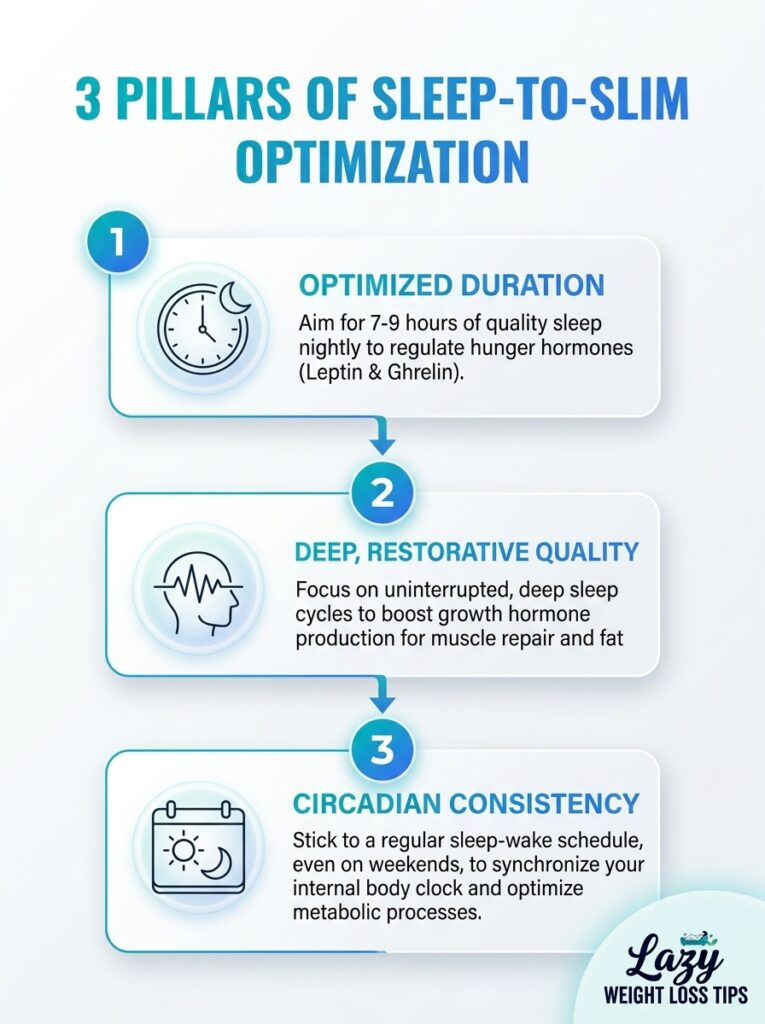
Discover the three pillars behind Sleep-to-Slim Optimization. Learn how optimizing sleep can support healthier weight management.
- Sleep Duration: Aim for 7 to 9 hours every night. This is the foundation. Without enough time asleep, your body simply can’t do its repair and reset work.
- Sleep Quality: Deep, uninterrupted sleep is where the real magic happens. Your body releases growth hormone, repairs muscle, and regulates hunger hormones during deep sleep stages.
- Sleep Timing (Circadian Rhythm): Going to bed and waking up at the same time each day keeps your body clock on track. A stable body clock means better metabolism and more predictable energy levels.
“Sleep-to-Slim Sleep Optimization isn’t one big change. It’s a collection of small habits that quietly add up to real results while you’re literally lying down.”
How Popular Diets Like the Keto Diet Pair With Sleep Optimization
Here’s a question people don’t ask often enough: if you’re already following one of the popular diets, like the keto diet, why aren’t you seeing the results you expected?
Sleep could be the missing piece.
When you’re sleeping poorly, your body craves fast energy. That means sugar cravings, carb cravings, and a hard time sticking to a low-carb plan like keto. Your willpower is not broken. Your sleep is.
| Diet Approach | How Sleep Makes It Work Better |
|---|---|
| Keto Diet | Better sleep reduces carb cravings and supports fat-burning hormones, making it easier to stay in ketosis |
| Calorie Reduction | Sleeping more naturally reduces appetite, so eating less doesn’t feel like a struggle |
| Intermittent Fasting | Sleep extends your overnight fast naturally and makes the fasting window easier to manage |
| Plant-Based Eating | Good sleep supports blood sugar stability, which pairs well with a whole foods eating style |
The bottom line is that Sleep-to-Slim Sleep Optimization is not a replacement for smart eating. It is the upgrade that makes smart eating actually stick.
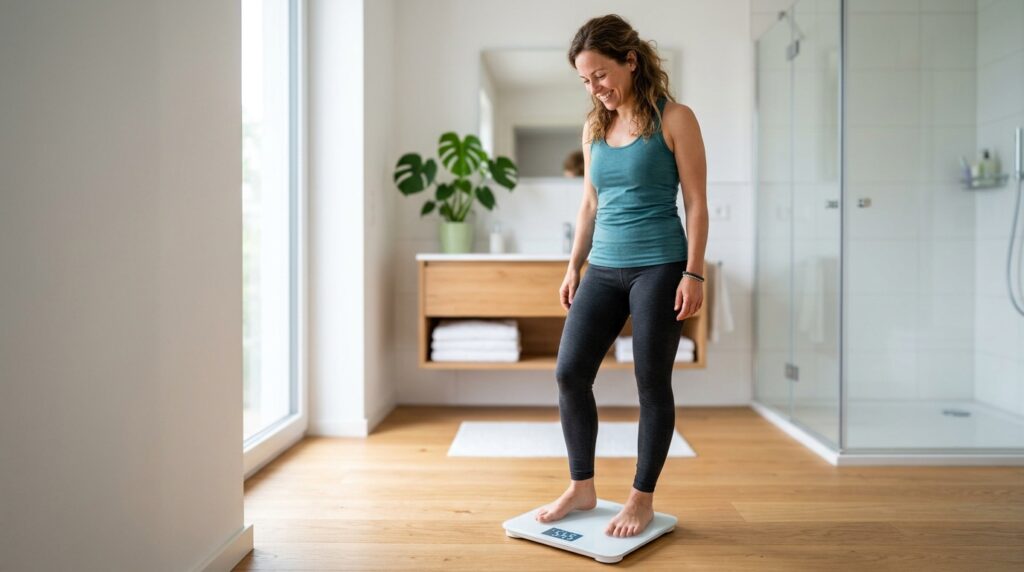
Simple Sleep-to-Slim Optimization Tips You Can Start Tonight
No app. No scale. No stress. These habits are straightforward and they work.
You don’t need to overhaul your entire life. You just need to make small, consistent tweaks to your bedtime routine.
- Set a consistent bedtime: Pick a time and stick to it, even on weekends. Your body clock loves routine.
- Cut screens 30 to 60 minutes before bed: The blue light from phones and TVs tricks your brain into thinking it’s still daytime, which delays sleep.
- Keep your bedroom cool: A room temperature around 65 to 68 degrees Fahrenheit is ideal for deep sleep.
- Skip the late-night snack: Eating close to bed raises your body temperature and can disrupt sleep quality.
- Limit caffeine after 2pm: Caffeine has a long half-life. That 3pm coffee could still be in your system at midnight.
- Try a wind-down routine: A short walk, light stretching, or a warm shower tells your body that sleep is coming.
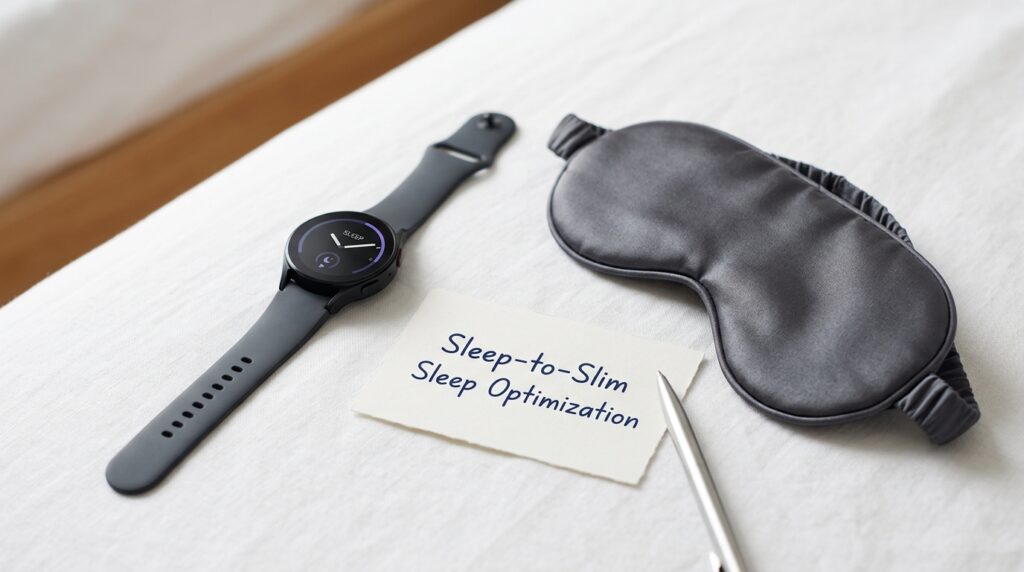
- Make the room dark: Blackout curtains or a sleep mask can dramatically improve sleep depth.
Want a structured program that puts all of this together for you? This sleep optimization and weight loss program walks you through the whole process step by step.
Common Sleep Mistakes That Slow Down Weight Loss
Most people are accidentally making their sleep worse without realizing it. Here are the most common sleep habits that quietly work against your weight goals.
The frustrating part is that some of these feel totally harmless. But the impact on your Sleep-to-Slim Sleep Optimization results can be significant.
- Inconsistent sleep schedule: Sleeping in on weekends throws off your body clock more than most people realize
- Alcohol before bed: It might help you fall asleep, but it wrecks the deep sleep stages your body needs
- Exercising too late: Intense evening workouts raise your heart rate and body temp, making it harder to drift off
- Stress without a release: Going to bed with a racing mind prevents deep sleep, no matter how many hours you’re in bed
- Using your bed for work or TV: Your brain should link your bed with sleep only, not screen time
Did You Know?
People who sleep well are 33% more likely to reach their goal weight in a weight loss program compared to poor sleepers.
Source: escardio.org
If you’re working hard to eat well and move more but the scale isn’t budging, your sleep habits are the first place to look.
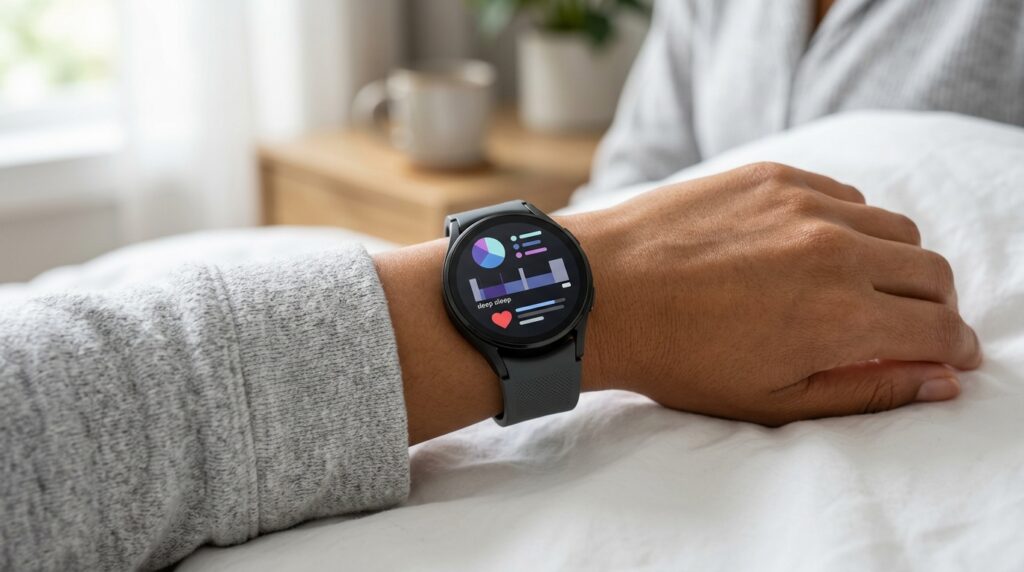
How Much Sleep Do You Actually Need for Sleep-to-Slim Results?
Most adults need between 7 and 9 hours of sleep per night. But it’s not just about the number. The quality and consistency of that sleep matter just as much.
According to Mayo Clinic, adults who consistently get less than 7 hours per night face a higher risk of a range of health issues, including weight gain.
The CDC also confirms in 2026 that more than a third of adults in the US are regularly not getting enough sleep, which helps explain why weight management feels so hard for so many people.
Here’s a quick guide to how much sleep different age groups generally need:
| Age Group | Recommended Sleep |
|---|---|
| Teenagers (14-17) | 8-10 hours |
| Young Adults (18-25) | 7-9 hours |
| Adults (26-64) | 7-9 hours |
| Older Adults (65+) | 7-8 hours |
Building a Sleep-to-Slim Sleep Optimization Routine That Fits Your Life
The best routine is one you’ll actually follow. Sleep-to-Slim Sleep Optimization doesn’t need to be complicated or time-consuming to work.
Start with just two or three changes. Get those right first, then layer in more. Trying to do everything at once is how most people give up before they see results.
Here’s a simple evening routine structure you can adapt:
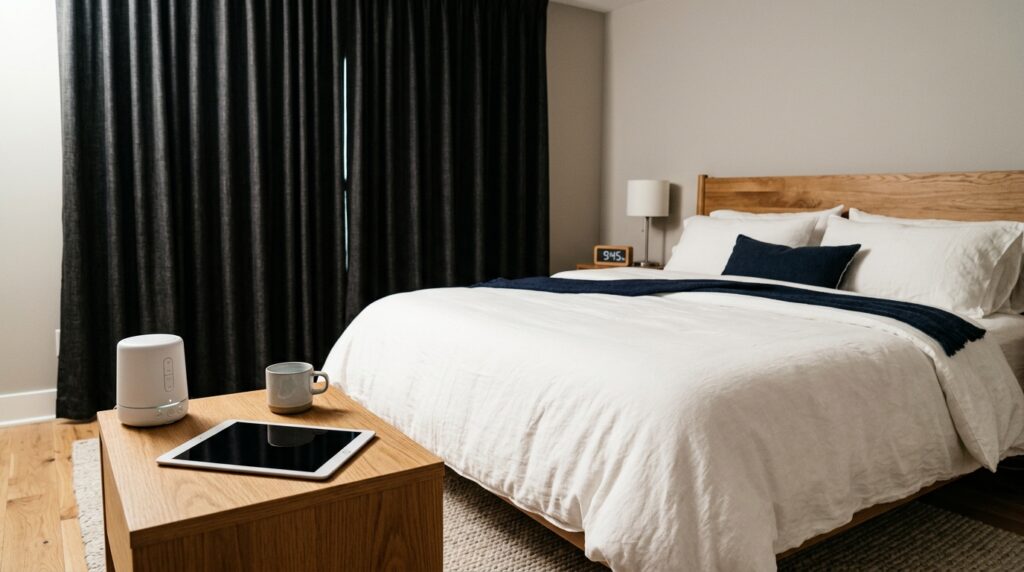
- 9:00pm: Dim the lights and put screens away. Let your brain start winding down.
- 9:15pm: Gentle stretching or a short walk outside. This helps release tension and cools your body.
- 9:30pm: Shower or bath. The drop in body temperature afterward signals to your brain that it’s time to sleep.
- 9:45pm: Read a physical book or listen to calm music. Keep the mood low-key.
- 10:00pm: Lights out. Same time every night.
According to Cleveland Clinic, sticking to a consistent sleep schedule is one of the most important things you can do to improve both the quality and length of your sleep.
And for those looking for extra support with their sleep and weight goals, this program combines sleep science with practical weight loss guidance in a way that’s easy to follow, even for busy people.
Sleep-to-Slim Sleep Optimization and the Bigger Picture of Weight Management
Sleep is one piece of a bigger puzzle. But it’s one of the most underrated pieces, especially when it comes to weight loss for men and women over 30s who are already trying popular diets, the keto diet, or other tips and strategies that aren’t quite delivering the results they hoped for.
Think of it this way. You could have the best eating plan in the world. But if you’re running on 5 hours of sleep, your hunger hormones are out of control, your energy is low, and your body is storing fat more aggressively than it should be.
Sleep-to-Slim Sleep Optimization fills in that gap. It’s the quiet, behind-the-scenes work that makes everything else in your weight loss plan actually work the way it’s supposed to.
And the best part? You do it lying down.
Conclusion
Sleep-to-Slim Sleep Optimization is one of the smartest, lowest-effort strategies you can add to your weight loss approach in 2026. It doesn’t cost anything, it doesn’t require a gym, and it starts working the very first night you make a change.
Whether you’re brand new to weight loss or you’ve been trying popular diets and strategies for years, fixing your sleep is the upgrade that makes everything else click into place.
Start with one or two small changes tonight. Set a bedtime. Dim the lights earlier. Put the phone down a bit sooner. Your body will thank you, and so will the scale.
If you want a step-by-step plan designed around sleep and weight loss, this program gives you a structured approach to Sleep-to-Slim optimization that’s built for real people with real lives.
Frequently Asked Questions
What exactly is Sleep-to-Slim Sleep Optimization and how does it help with weight loss?
Sleep-to-Slim Sleep Optimization is the practice of improving your sleep quality, timing, and duration to support natural weight loss. It works by keeping your hunger hormones balanced, reducing cravings, and helping your body burn fat more efficiently while you rest.
How many hours of sleep do I need for Sleep-to-Slim results?
Most adults need 7 to 9 hours per night for Sleep-to-Slim Sleep Optimization to have a meaningful impact. Consistently sleeping less than 7 hours raises hunger hormones and increases the chance of weight gain over time.
Does sleep optimization work better than dieting for weight loss?
Sleep-to-Slim Sleep Optimization isn’t a replacement for healthy eating. It works best alongside a balanced diet, because better sleep makes it easier to stick to any eating plan, including the keto diet or calorie reduction approaches.
Is sleep optimization for weight loss effective for people over 30?
Yes, and it actually becomes more important after 30. Hormone shifts that happen naturally with age make sleep one of the most powerful tools for weight loss for men and women over 30s. Good sleep helps keep those hormones from working against your progress.
What are the best sleep habits for losing weight in 2026?
The most effective habits for Sleep-to-Slim Sleep Optimization in 2026 include keeping a consistent sleep and wake time, avoiding screens before bed, keeping your room cool and dark, and limiting caffeine after early afternoon. Even small changes to these habits can produce noticeable results within a week or two.
Can poor sleep stop my diet from working?
Absolutely. Poor sleep raises ghrelin (your hunger hormone) and lowers leptin (your fullness hormone), which means you’ll feel hungrier and less satisfied even when eating the same amount. Sleep-to-Slim Sleep Optimization helps reset this balance so your diet actually works the way it should.
Is there a Sleep-to-Slim optimization program worth trying in 2026?
Yes. There are structured programs that combine sleep science with practical weight loss guidance, making it easier to apply Sleep-to-Slim Sleep Optimization without having to figure everything out on your own. This program is worth a look if you want a clear, step-by-step approach.