
Mastering Appetite Suppression and Craving Control Strategies
Tired of fighting your own biology? Discover how to silence “food noise,” stabilize your energy, and take back control of your diet without the misery of extreme restriction.
The Silent Battle: Why Willpower Isn’t Enough
For many busy professionals over 30, the biggest hurdle to weight loss isn’t a lack of motivation—it’s the constant, nagging hum of hunger. You start the day with the best intentions, but by 3:00 PM or late evening, the cravings hit. This isn’t a character flaw; it’s a physiological response driven by hormones, stress, and metabolic changes.
Effective Appetite Suppression and Craving Control Strategies are about working with your body instead of against it. When you balance the internal signals that tell you when to eat and when to stop, weight loss stops being a daily battle of “will” and becomes a natural byproduct of a regulated system.
The Biology of Hunger: Ghrelin, Leptin, and Cortisol
Understanding the “Science of Fat Burning” requires looking at the three primary hormones that dictate how much you eat:
Ghrelin: The “Hunger” Signal
Produced in the stomach, ghrelin tells your brain it’s time to eat. When you go on “crash diets,” ghrelin levels spike, making it nearly impossible to resist high-calorie foods.
Leptin: The “Fullness” Signal
Leptin is produced by fat cells and tells your brain you have enough energy stored. Many individuals over 30 suffer from “leptin resistance,” where the brain stops hearing the signal to stop eating.
Cortisol: The “Stress” Trigger
Chronic stress leads to elevated cortisol. This hormone specifically triggers cravings for “comfort foods”—sugar and fat—as your body prepares for a perceived threat that never comes.
By implementing targeted Craving Control methods, you can recalibrate these hormones, allowing your body to naturally burn fat while keeping your appetite in check.
Top Appetite Suppression Strategies for Busy People
You don’t need a 2-hour gym session to manage your hunger. Here are the most effective “lazy” wins for controlling your appetite:
1. Strategic Protein Pacing
Consuming 20–30g of protein per meal is one of the fastest ways to suppress ghrelin. Protein takes longer to digest and provides a steady sense of satiety that carbs simply can’t match. For the busy professional, this might mean a quick Greek yogurt or a high-quality protein shake in the morning.
2. The Hydration “Pre-Load”
Science shows that drinking 16 ounces of water 30 minutes before a meal can significantly reduce the number of calories consumed. Often, our brains mistake thirst for hunger. Staying hydrated is a zero-calorie way to keep the stomach physically occupied.
3. Optimize Your Morning Coffee
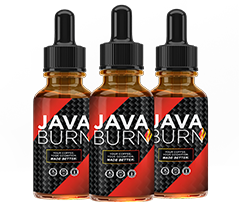
Coffee is a natural thermogenic, but it can also be a powerful tool for the Science of Fat Burning. The chlorogenic acids in coffee help slow glucose absorption, while the caffeine naturally suppresses appetite. However, adding sugar and heavy creams can negate these benefits. Using a flavorless supplement like JavaBurn can enhance these effects without changing the taste of your favorite brew.
4. Fiber and Gastric Emptying
Soluble fiber (like that found in oats, beans, or supplements like glucomannan) forms a gel-like substance in the gut. This slows down “gastric emptying,” meaning food stays in your stomach longer, keeping you fuller for extended periods.
Types of Appetite Suppressants: Natural vs. Synthetic
Choosing the right strategy depends on your lifestyle. Here is a breakdown of how different suppressants work:
- Bulking Agents: High-fiber compounds that physically fill the stomach.
- Metabolic Boosters: Ingredients like Green Tea Extract (EGCG) that increase calorie burn while naturally reducing food interest.
- Blood Sugar Stabilizers: Minerals like Chromium that prevent the “crashes” that lead to intense sugar cravings.
- Neurological Modulators: Natural compounds like L-Theanine that reduce stress-induced eating by calming the nervous system.
Buying Guide: What to Look for in a Craving Control Supplement
If you are looking for a supplement to support your appetite suppression goals, ensure it contains these science-backed ingredients:
A powerhouse for fat oxidation and appetite regulation. It works synergistically with caffeine.
An amino acid that promotes relaxation without drowsiness. It “smooths out” the jitters from coffee, helping to prevent stress-eating.
Essential for insulin sensitivity. By keeping blood sugar stable, it virtually eliminates the mid-afternoon “sugar itch.”
Found in green coffee beans, it helps the body burn fat for energy instead of demanding quick energy from snacks.
Frequently Asked Questions
This is often due to a diet high in processed carbohydrates which cause insulin spikes and subsequent crashes. It can also be a sign of leptin resistance, where your brain doesn’t receive the “full” signal correctly. Focusing on protein and fiber can help reset these signals.
Synthetic stimulants can cause jitters, heart palpitations, or insomnia. This is why we recommend natural, science-backed ingredients like those found in JavaBurn, which focus on metabolic health rather than just “tricking” the nervous system.
Late-night hunger is usually emotional or cortisol-driven. Ensure you’ve eaten enough protein during the day and try to manage stress levels in the evening. A ritual like a warm cup of herbal tea or a consistent sleep schedule can drastically reduce evening cravings.
Yes, caffeine is a well-known appetite suppressant. However, its effects are temporary. To make it more effective for long-term weight loss, it should be combined with metabolic enhancers that stabilize blood sugar.
Ready to Stop the Hunger Struggle?
Join thousands of men and women over 30 who have simplified their weight loss journey. No extreme diets, no brutal workouts—just smart, science-backed strategies that work with your daily routine.
Discover the simple morning ritual that supports natural appetite suppression and metabolic health.
Explore the Science of Fat Burning Today